

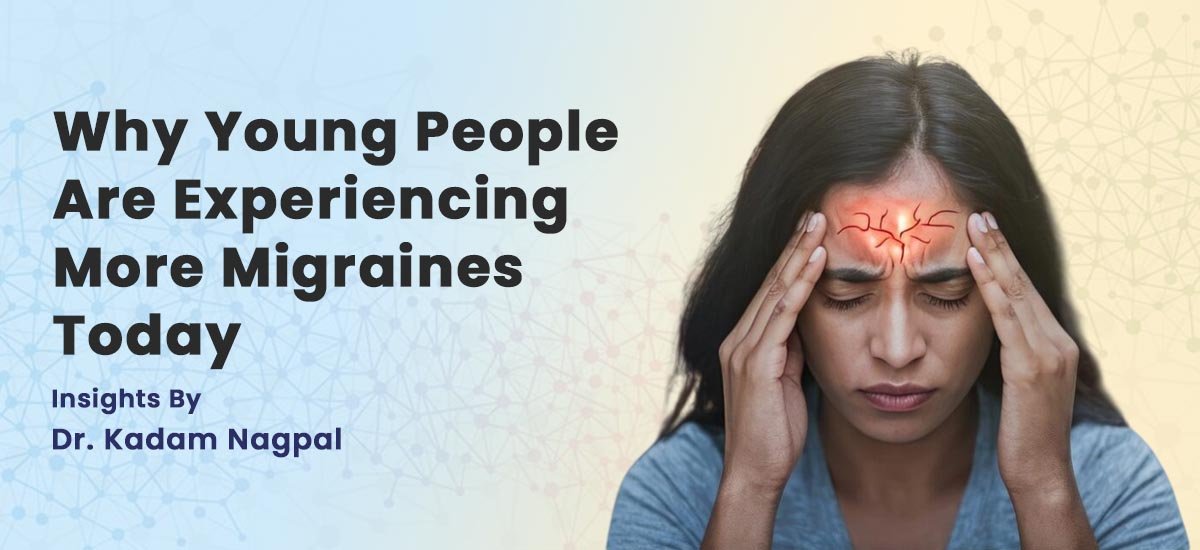
Why Young People Are Experiencing More Migraines Today - Insight by Best Neurologist in South Delhi
Migraine is no longer considered a condition that mainly affects middle-aged adults. In recent years, doctors have noticed a significant increase in migraine cases among teenagers and young adults. Many people in their 20s and 30s now report frequent headaches, sensitivity to light, nausea, and throbbing pain that disrupt daily life.
Migraines can be much more than a simple headache. They are a neurological condition that affects brain activity and can severely impact work, studies, and personal life. Understanding why migraines are becoming more common among younger people can help individuals take steps to prevent and manage them effectively.
What Is a Migraine
A migraine is a type of severe headache that often occurs on one side of the head. It is usually accompanied by other symptoms such as nausea, vomiting, and sensitivity to light or sound. Some people also experience visual disturbances, known as aura, before the headache begins.
Migraine attacks can last from a few hours to several days. During an episode, normal activities such as working on a computer, attending classes, or even talking can become difficult.
Dr. Kadam Nagpal Best Neurologist in South Delhi consider migraines a complex brain disorder involving abnormal nerve signals, inflammation, and changes in blood flow within the brain.
Why Migraines Are Increasing in Young People
Several modern lifestyle factors are believed to contribute to the growing number of migraine cases among young adults.
Increased Screen Time
One of the most common triggers today is prolonged screen exposure. Many young people spend hours each day looking at smartphones, laptops, tablets, and televisions.
Excessive screen time can strain the eyes and overstimulate the brain, which may trigger headaches and migraines. Bright screens, blue light, and poor posture while using devices can also worsen symptoms.
High Levels of Stress
Stress has become a major part of modern life, especially for students and working professionals. Deadlines, academic pressure, job competition, and financial concerns can significantly affect mental health.
Stress causes changes in brain chemicals and hormone levels, which can trigger migraine attacks. Many people notice that migraines occur after periods of intense stress or emotional pressure.
Irregular Sleep Patterns
Sleep plays an important role in maintaining brain health. Unfortunately, many young people today follow irregular sleep schedules. Late night screen usage, social media activity, and long working hours often lead to poor sleep quality.
Lack of sleep or inconsistent sleep patterns can disrupt the brain’s natural rhythms and increase the risk of migraine episodes.
Poor Dietary Habits
Skipping meals, consuming excessive caffeine, and relying on processed or fast food can also contribute to migraines. Certain foods such as chocolate, aged cheese, and artificial sweeteners are known migraine triggers for some individuals.
Dehydration is another common cause of headaches and migraines. Many young adults do not drink enough water throughout the day.
Hormonal Changes
Hormonal fluctuations can play a significant role in migraines, especially in young women. Changes in estrogen levels during menstrual cycles can trigger migraine attacks.
This is why migraines are often more common among women compared to men.
Lack of Physical Activity
A sedentary lifestyle is another factor that may increase migraine frequency. Many young adults spend most of their day sitting, whether at school, office, or while using digital devices.
Regular physical activity helps improve blood circulation and reduce stress, both of which are important for preventing migraines.
Common Symptoms of Migraines
Migraine symptoms may vary from person to person, but some common signs include:
- Throbbing or pulsating pain on one side of the head
- Sensitivity to light and sound
- Nausea or vomiting
- Blurred vision or visual disturbances
- Dizziness or weakness
- Difficulty concentrating
Some people also experience warning signs such as mood changes, neck stiffness, or food cravings before the migraine begins.
When to Consult a Neurologist
Occasional headaches are common, but frequent or severe migraines should not be ignored. If headaches are interfering with daily activities, it is important to seek medical advice.
A neurologist can help identify the underlying cause of migraines and recommend appropriate treatment. Warning signs that require medical attention include:
- Headaches occurring several times a month
- Severe pain that does not improve with medication
- Headaches accompanied by vision problems or confusion
- Sudden or unusual headaches
Early diagnosis can help prevent complications and improve quality of life.
How Migraines Can Be Managed
Although migraines cannot always be completely cured, they can be effectively managed with the right treatment and lifestyle changes.
Lifestyle Modifications
Simple daily habits can make a significant difference in reducing migraine frequency.
- Maintain a regular sleep schedule
- Limit screen time and take frequent breaks
- Stay hydrated throughout the day
- Eat balanced meals at regular intervals
- Manage stress through relaxation techniques
Regular Exercise
Moderate physical activity such as walking, yoga, or swimming can help reduce stress and improve overall brain health.
Exercise also promotes better sleep and reduces the likelihood of migraine triggers.
Identifying Personal Triggers
Each individual may have different migraine triggers. Keeping a headache diary can help identify patterns related to food, stress, sleep, or environmental factors.
Avoiding known triggers can significantly reduce the frequency of migraine attacks.
Medical Treatment
In some cases, doctors may recommend medications to relieve migraine symptoms or prevent attacks. These medications are carefully prescribed based on the patient’s condition and medical history.
Neurological evaluation is important to ensure proper diagnosis and treatment.
Protecting Brain Health in the Digital Age
As technology continues to play a major role in modern life, it becomes increasingly important to protect brain health. Young people should focus on maintaining a balanced lifestyle that includes adequate rest, physical activity, and stress management.
Simple steps such as reducing screen exposure, improving sleep habits, and staying physically active can go a long way in preventing migraines.
The rise in migraine cases among young people is closely linked to modern lifestyle changes, including excessive screen use, stress, irregular sleep, and poor dietary habits. While migraines can be painful and disruptive, understanding the triggers and taking preventive measures can help reduce their impact.
If headaches are frequent or severe, consulting a neurologist is important for proper diagnosis and treatment. Early intervention and healthy lifestyle habits can help individuals manage migraines effectively and maintain better brain health in the long term.
Migraines are increasing among young people due to lifestyle factors such as excessive screen time,
high stress levels, irregular sleep patterns, poor diet, and lack of physical activity. These
factors can trigger changes in brain activity that lead to migraine attacks.
Common migraine symptoms include throbbing head pain, sensitivity to light and sound, nausea,
vomiting, dizziness, and sometimes visual disturbances known as aura.
Yes, prolonged use of smartphones, computers, and other digital devices can strain the eyes and
overstimulate the brain. This may trigger headaches or migraines, especially in young adults who
spend many hours on screens.
You should consult a neurologist if migraines occur frequently, become severe, last for several hours
or days, or interfere with daily activities such as work, studies, or sleep.
Yes, migraines are a neurological condition and are usually more intense than regular headaches. They
often come with additional symptoms like nausea, visual disturbances, and sensitivity to light or
sound.
While migraines may not always be completely cured, proper diagnosis, medication, and lifestyle modifications can help control symptoms and reduce the frequency of attacks.
